The Christmas-versus-January decision for an Amboseli safari is less about which month is more beautiful and more about which one fits the trip you actually want to have. Christmas arrives with holiday convenience, family availability, and festive atmosphere. January tends to deliver cleaner safari conditions, lower rates, and a calmer park rhythm. Neither answer is wrong. But they serve genuinely different purposes.
This guide compares both windows on the factors that matter most: weather, crowds, value, wildlife access, and family logistics.
Quick Comparison
| Factor | Christmas Safari in Amboseli | January Trip |
|---|---|---|
| Holiday convenience | Excellent | Good |
| Crowd pressure | High | Moderate |
| Value for money | Weaker | Stronger |
| Kilimanjaro view odds | Variable | Better |
| Family fit | Excellent | Good |
| Photography conditions | Good | Excellent |
What a Christmas Safari in Amboseli Actually Feels Like
Christmas in Amboseli is primarily a calendar decision. It works because people are free to travel, not because December is the park’s peak wildlife month.
What Christmas in Amboseli has going for it:
- School holidays align for families with children
- International visitors with fixed annual leave windows can actually go
- Camps and lodges create a festive atmosphere that suits celebration-style trips
- The trip carries milestone energy that is difficult to replicate in a quieter shoulder month
What you should realistically expect:
- Higher demand and firmer rates across preferred properties
- Earlier booking pressure: the best Amboseli lodges and conservancy camps fill months ahead of Christmas
- Less flexibility for late decisions or itinerary changes
- More visitors in the park, which affects how the game drives feel
None of this disqualifies Christmas as a good choice. It just means you need to plan and book accordingly, and that the trip is probably being chosen for the right reasons: family timing, celebration, or fixed leave windows rather than purely optimal safari conditions.
What January in Amboseli Actually Feels Like
January tends to feel sharper and more safari-focused than Christmas.
The practical case for January:
The short rainy season that sometimes affects Amboseli in November and December has usually cleared. The landscape can still carry some green from the rains, which creates attractive photographic conditions without the road-access challenges that heavier rainfall brings. The festive rush has dropped off. Camps that were full at Christmas often have availability. Rates ease back from peak pricing.
Morning light in January, when conditions cooperate, is consistently good. Elephants that have been ranging widely during wet season begin to concentrate around the park’s swamp systems as the dry period extends. Kilimanjaro views, while never guaranteed, statistically improve in January as the clearer dry-season air settles in.
The rhythm of a January safari tends to be calmer. Dawn drives without the logistical pressure of a packed holiday camp. More space on game tracks. A general sense that the park is being shared rather than competed for.
Weather and the Kilimanjaro Factor
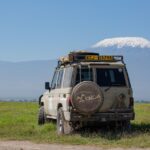
For many travelers, Amboseli’s defining photograph is the one with elephants and Kilimanjaro in the same frame. The mountain appears on clear mornings, typically before the day’s heat builds cloud over the summit. It is never guaranteed, but conditions affect the probability.
Christmas sits closer to Amboseli’s short rains pattern. Morning clouds are more frequent, midday heat can build quickly, and visibility is variable. Good mornings do happen in December, but the odds of a clear Kilimanjaro dawn are lower than in January.
January benefits from drier, cleaner air as the short rains recede. Clear dawns are more frequent. The mountain appears more often and more clearly. For photographers who specifically want that image, January is the stronger answer by a measurable margin.
Crowds and Camp Atmosphere
Christmas is Amboseli’s busiest period of the year. The parks feel busier at popular sighting areas, premium camps fill completely, and there is a general energy of holiday travel that is festive but also compressed.
January is quieter. Not empty: Amboseli is a year-round destination and January is not a low season. But the post-holiday drop in demand creates noticeably more space at popular properties, more flexibility in itinerary design, and a calmer overall atmosphere in camp.
For safari travelers who want the parks to feel like their own rather than shared with a holiday crowd, January is the straightforward choice.
Wildlife and Safari Rhythm
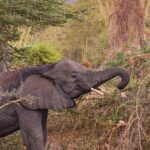
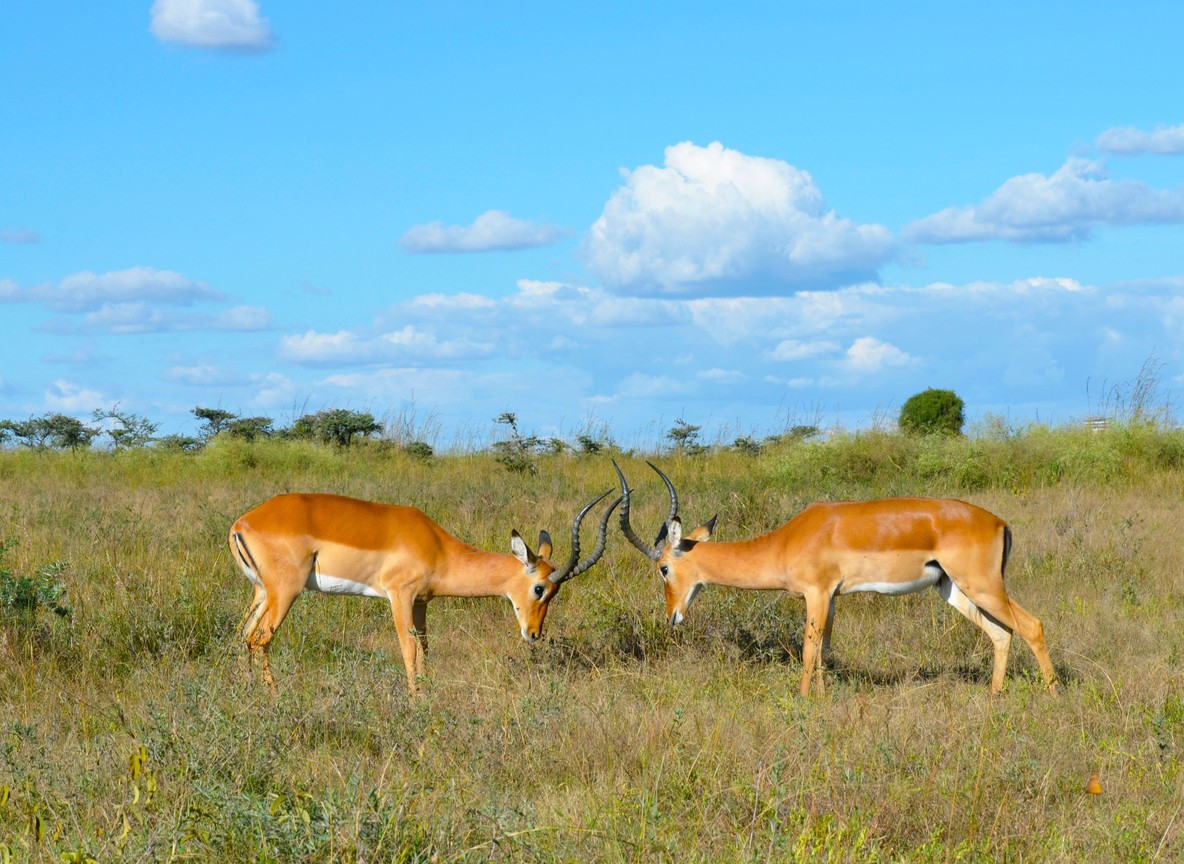
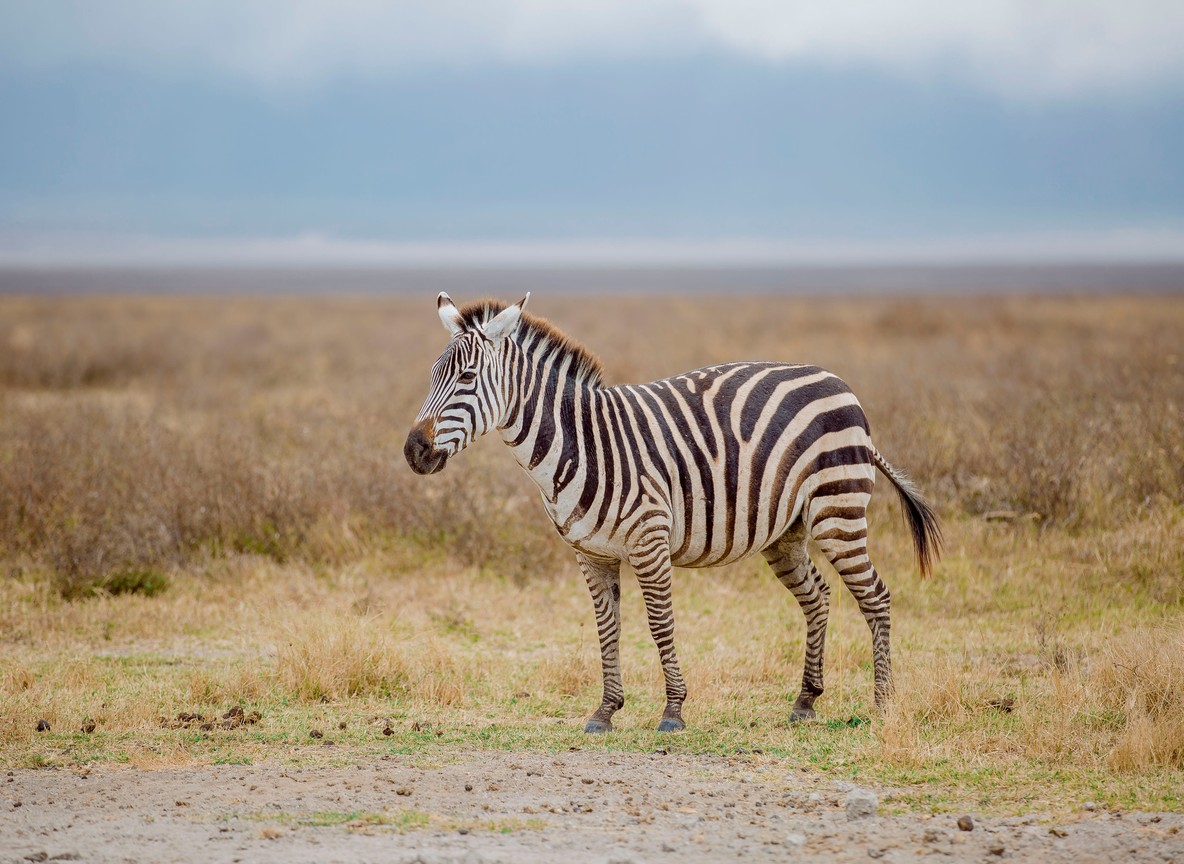
Both Christmas and January offer elephants, birds, and broad Amboseli wildlife value. Amboseli’s elephant population is resident year-round and reliably observable from multiple parts of the park in both months. Buffalo, zebra, wildebeest, various cats, and exceptional birdlife are present throughout.
The difference is less about what you see and more about how the days flow.
Christmas drives tend to be structured around fixed travel schedules. Guests arriving or departing on specific dates create pressure to fit sightings around logistics rather than the other way around. January drives have more breathing room. If a cheetah hunt is developing at 8:30am, there is less pressure to break it off to make a lunch schedule.
That flexibility matters most for photography-focused travelers and anyone who finds rushed game drives unsatisfying. For families where the kids are excited about everything and the schedule is less critical, Christmas works fine.
Family Travel: Which Window Is Better
For families with school-aged children, Christmas may be the only realistic option. That single factor can make it the correct choice regardless of every other consideration.
Christmas suits families well when:
- The trip needs to fit school holiday schedules
- Multiple generations are traveling and aligning dates is difficult
- The trip is a family celebration or milestone rather than a pure wildlife expedition
- Parents want the camp atmosphere to feel festive and special
January works better for families when:
- Children are under school age and travel dates are flexible
- The family has home-schooling or flexible schooling arrangements
- The priority is best possible safari conditions rather than holiday timing
For couples, retired travelers, photographers, and anyone with genuinely flexible dates, January is almost always the stronger option.
Prices and Value
January wins on cost. The gap between Christmas peak rates and January shoulder rates varies by property and year, but a consistent 15 to 25 percent difference in accommodation pricing is typical at many Amboseli lodges and camps.
That margin is worth knowing, not because cost should always be the deciding factor, but because the same budget that buys a 2-night Christmas stay can often buy a 3-night January stay at the same property. An extra night in Amboseli almost always improves the safari. More dawn attempts mean better odds of a clear Kilimanjaro morning. More afternoons mean more time tracking elephants across the swamp.
Christmas is worth the premium if the dates are non-negotiable, the festive atmosphere is part of the appeal, or the trip is a once-in-a-lifetime family gathering where emotional timing matters more than logistical optimization.
How Many Nights for Each Window
For either window, two nights is the minimum workable stay. Amboseli rewards repeated dawn attempts. Weather and cloud can change dramatically between mornings. One afternoon and one full day is meaningfully better than a rushed day trip.
For Christmas travel specifically, three nights gives the safari more breathing room. Holiday logistics add pressure: arrival delays, airport transfers, and the general compression of peak-season travel. That extra night creates a buffer.
For January, two nights often works well, though three nights remains the stronger choice for photographers wanting multiple Kilimanjaro attempts.
Explorer Notes
One practical note that applies to both windows: morning game drives that start at dawn (around 6am) give the best chance of catching Kilimanjaro before cloud builds, and the best light for elephant photography. Afternoon drives offer different quality: golden-hour light, more relaxed animal movement, and often the most dynamic big-cat activity of the day.
If you are choosing between a camp that runs single daily drives versus one that runs morning-and-afternoon drives, the latter always gives more value in Amboseli. The park changes character significantly between morning and afternoon.
For current camp availability and rate comparisons across both windows, trunktrailssafaris.com covers Amboseli properties with on-ground seasonal notes.
What to Read Next
For a full picture of Amboseli timing across all twelve months, the best time to visit Amboseli guide is the most comprehensive starting point. If you are deciding where to stay inside versus outside the park boundary, the community conservancy stay vs park lodge near Amboseli comparison covers the options clearly. The Amboseli in January guide goes deeper on conditions specific to that month.
Turn this reading into a real itinerary with help from a Kenya-based safari team.
Start Planning Your Safari